How Much Can You Make Renting Your Home on Airbnb in New Hampshire? (2025 Data)
ContactIf you own property in New Hampshire and you've been wondering whether listing it on Airbnb is actually worth it, you're asking the right question — and you deserve a better answer than a national average pulled from a calculator.
This post breaks down what short-term rentals in New Hampshire actually earned in 2025, market by market, using real portfolio data. Not estimates. Not national medians. Numbers from properties actively managed on the ground in NH.
The short answer: the income potential is significant. But how much you earn depends less on your property than on how it's managed.
What the Average Airbnb Host in New Hampshire Makes
Let's start with the market reality, because 2025 was not a simple year for short-term rentals in New England.
New Hampshire STR inventory grew 20–30% year-over-year, meaning more competition for the same pool of guests. Canadian cross-border travel declined roughly 25–30%, a meaningful hit for drive-to vacation markets in the northern part of the state. Nationally, STR occupancy was essentially flat, which meant revenue gains had to be earned through smarter management — not just inherited from a rising market.
Against that backdrop, here's what the regional data shows for 2025:
Average occupancy: 35–45% across New England vacation markets
Average daily rate (ADR): $170–$225
Average RevPAR (revenue per available room): $60–$100 per night
That translates to roughly $25,000–$40,000 in gross annual income for a typical NH vacation rental operating at market average — before expenses, cleaning fees, and platform commissions.
That number isn't bad. But it's also not what a well-managed property earns.
What Well-Managed NH Properties Earned in 2025
Here's where the gap becomes real. Across the Lodgism portfolio — which includes properties in the White Mountains, the Lakes Region, Hampton Beach, and beyond — 2025 end-of-year performance looked like this:
Occupancy: 54% (vs. ~40% regional average)
Average daily rate: $268 (vs. ~$198 regional average)
Monthly RevPAR: $145 (vs. ~$80 regional average)
That $268 ADR combined with a 54% occupancy rate produces a meaningfully different income picture. A 3-bedroom property available 300 nights per year at those numbers generates roughly $43,000–$52,000 in gross rental income — before factoring in peak-season pricing spikes that push the ceiling considerably higher.
And that 54% occupancy figure actually understates the performance. It includes owner-blocked nights and calendar holds. The occupancy rate for truly available nights was higher.
Airbnb Income by NH Market: What to Expect in Each Region
New Hampshire isn't one rental market — it's several, each with distinct seasonality, guest profiles, and income potential. Here's a realistic breakdown:
White Mountains / North Conway
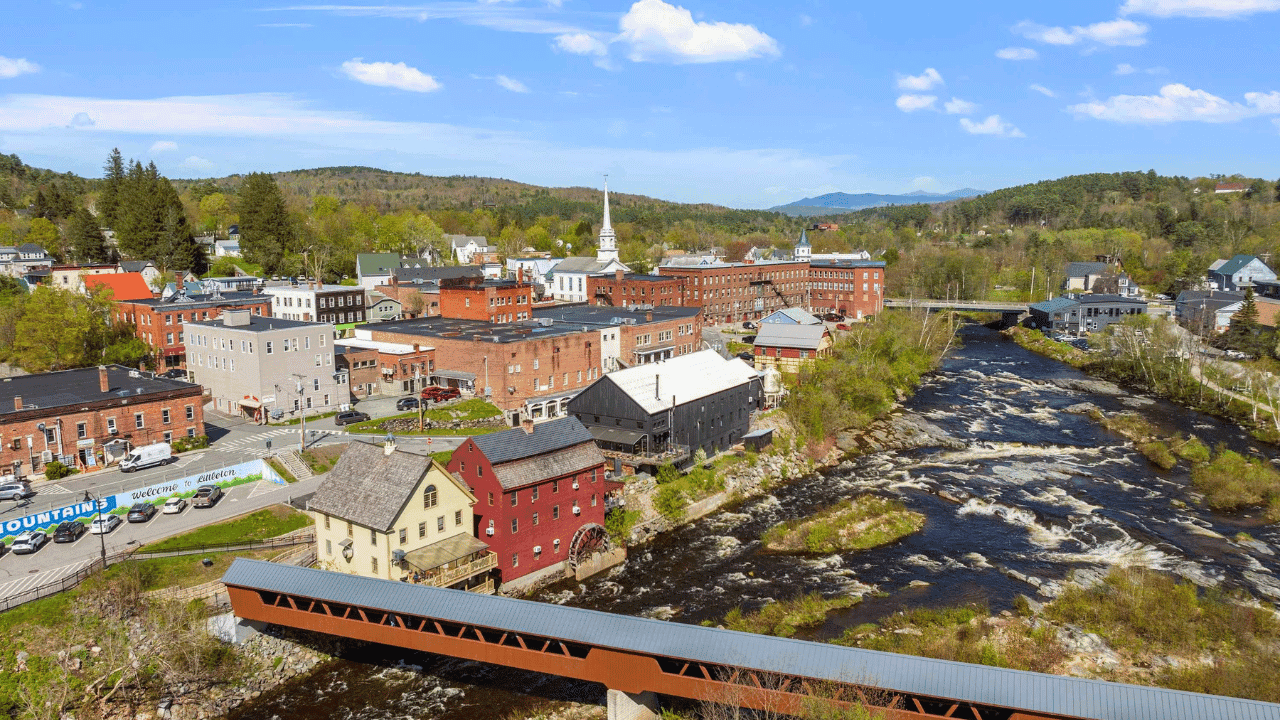
The White Mountains are New Hampshire's most versatile STR market. Demand peaks twice — ski season (December through March) and fall foliage (late September through October), with a strong summer hiking and outdoor recreation season in between. North Conway is the commercial hub, but surrounding towns like Jackson, Bartlett, and Lincoln draw consistent bookings.
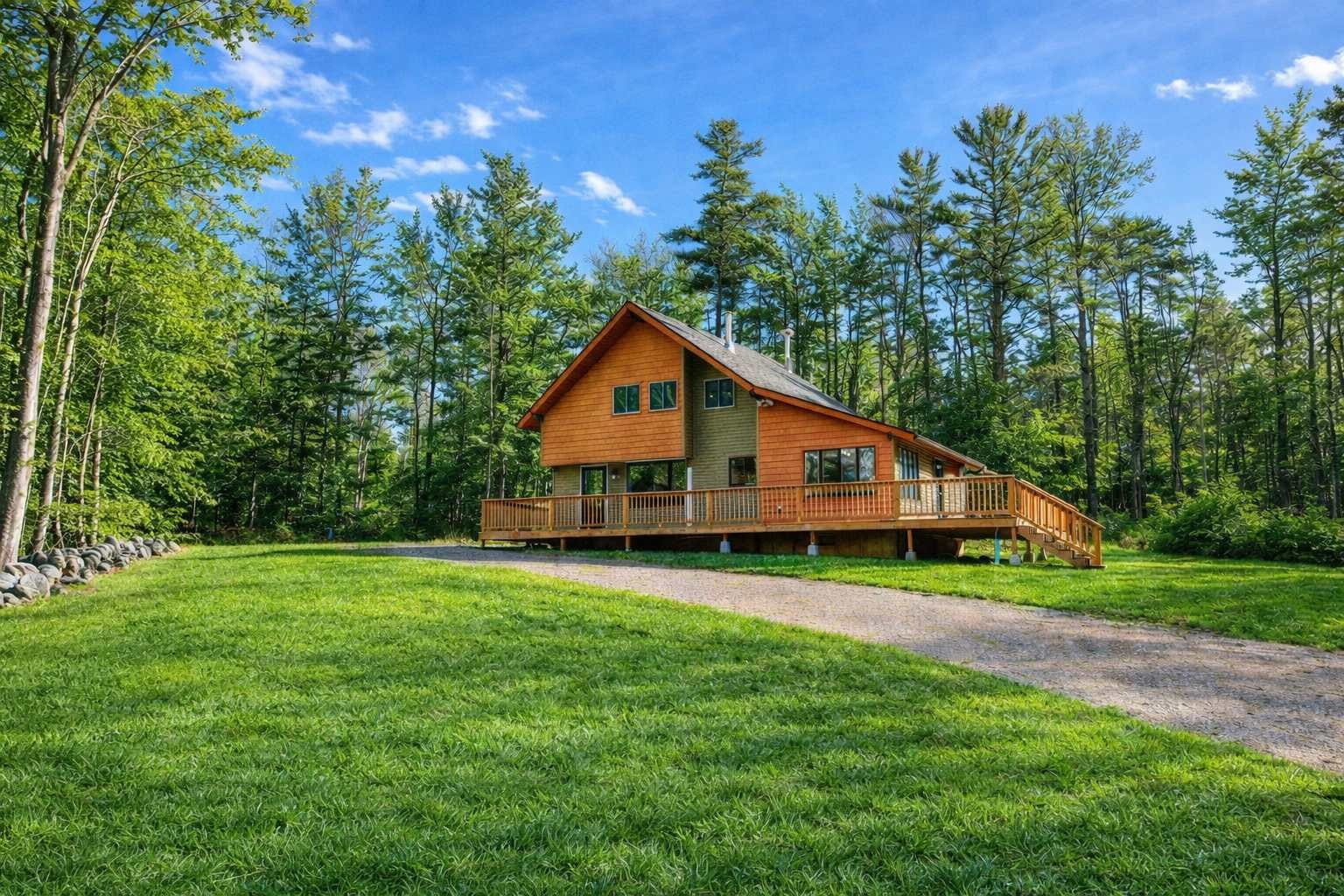
A well-managed 3-bedroom cabin or chalet in this region can realistically earn $45,000–$65,000+ annually, with peak weekend rates during ski season and foliage often reaching $350–$500+ per night for larger homes.
The key variable: properties with ski-in/ski-out access or within 15 minutes of Bretton Woods, Cranmore, or Attitash command a significant premium.
Lakes Region / Lake Winnipesaukee
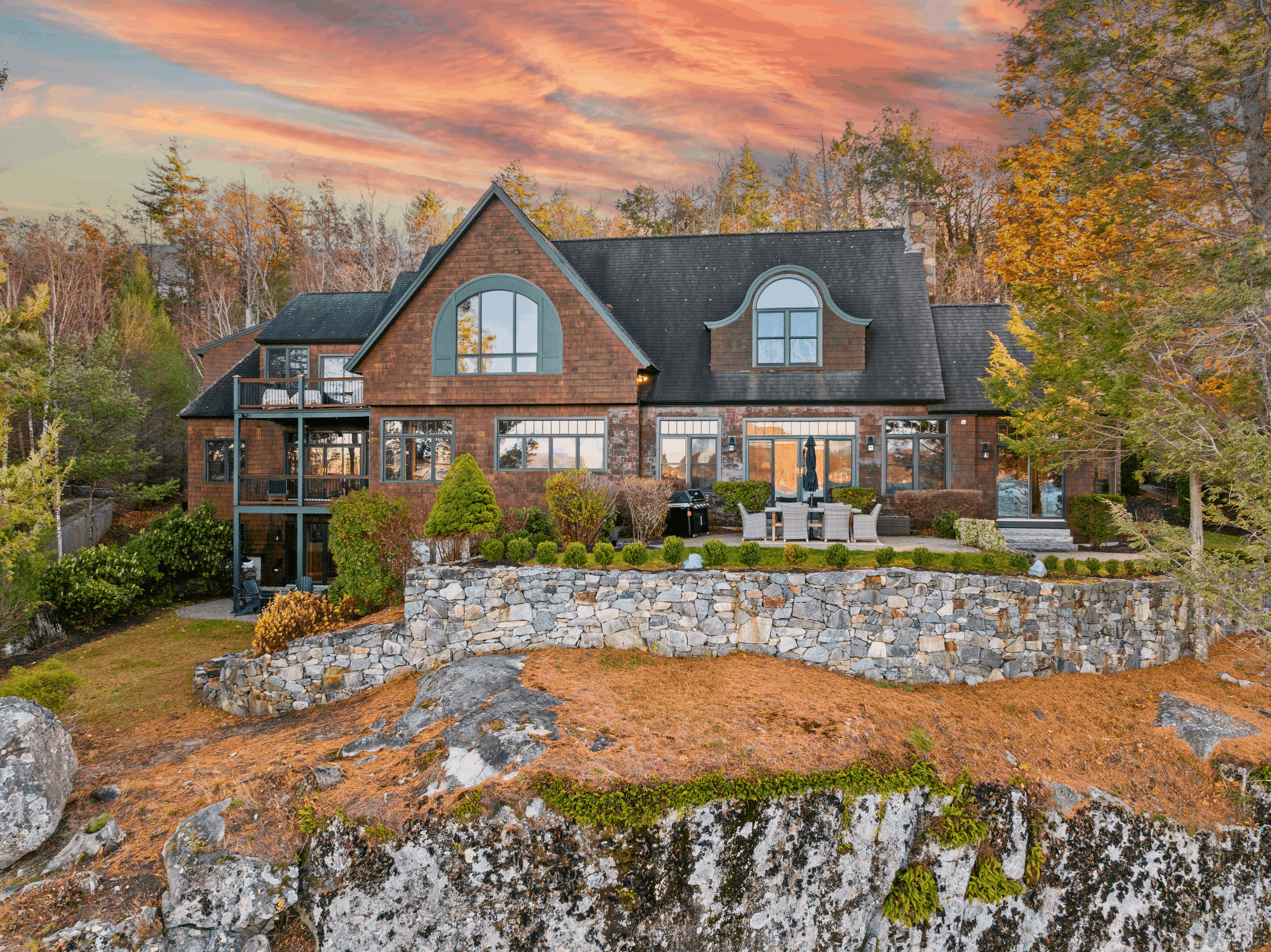
The Lakes Region is a summer-dominant market, with demand concentrated from late June through Labor Day. Weirs Beach, Wolfeboro, Meredith, and Laconia are the anchor towns. Waterfront access is the single biggest driver of nightly rates — a lakefront property with a dock commands 2–3x the rate of a comparable inland home.
Expect $35,000–$55,000 annually for a well-positioned Lakes Region property, with summer peak weeks (especially Fourth of July and August) driving a disproportionate share of total revenue. Shoulder season (May–June and September–October) is where active pricing and marketing separate top performers from average ones.
Hampton Beach / Seacoast
The Seacoast market — Hampton Beach, Rye, Portsmouth area — runs almost entirely on summer demand. The season is shorter than the mountains or lakes (Memorial Day through Labor Day being peak), but the concentration of demand in that window is intense. Hampton Beach specifically draws a high volume of short stays and weekend bookings.
A well-managed 3–4 bedroom property in Hampton or Rye can generate $30,000–$50,000 in those summer months alone, with occupancy during peak weeks approaching 90–95%. The challenge — and the opportunity — is extending the shoulder season through smart pricing and marketing.
What Separates Top-Earning Properties From Average Ones
The income ranges above assume active, professional management. The difference between a property earning at the top of those ranges versus the bottom almost always comes down to the same factors.
Dynamic pricing, not static rates. In 2025, shorter booking windows and volatile demand meant that properties using static pricing left money on the table constantly. Lodgism made over 10,000 automated price adjustments across the portfolio in 2025 alone — adjusting for pacing, local events, competitor availability, and seasonal compression. A property that reprices aggressively for a foliage weekend or a ski holiday captures revenue that a passively managed property simply misses.
Guest experience that compounds. A 4.92 rating across 1,000+ reviews isn't just a vanity metric. It directly impacts your listing's search rank on Airbnb and VRBO, your conversion rate at a given price point, and your resistance to discounting pressure during slower periods. Guests book higher-rated properties at higher prices. It's that direct.
0.0% cancellations and 100% response rate. These numbers matter more than most owners realize. A host-initiated cancellation doesn't just cost you that booking — Airbnb penalizes your search ranking for weeks afterward. A slow response rate signals to the algorithm that you're not a reliable host. In 2025, the platforms got more aggressive about rewarding operational consistency.
Professional photography and listing optimization. This sounds basic, but it's consistently the first thing that separates a listing earning $180/night from one earning $268/night for the same property. Guests make booking decisions in under 30 seconds based on photos.
Is Airbnb Profitable in New Hampshire?
Yes — but with an important qualifier. Passive management is increasingly not enough.
The 2025 data tells a clear story: the New England STR market got more competitive, not less. Properties managed with operational discipline — active pricing, genuine hospitality, consistent reliability — pulled further ahead of the market. Properties running on autopilot saw flat or declining revenue even in historically strong markets.
For a homeowner evaluating whether to list their NH property, the question isn't really "can I make money on Airbnb." The answer to that is almost certainly yes, assuming your property is in a viable market. The real question is: how much income are you leaving on the table by not managing it at the highest level?
What Your New Hampshire Property Could Actually Earn
Every property is different. The income potential of a 2-bedroom condo near Weirs Beach is a different calculation than a 5-bedroom chalet in Jackson. Market, bedroom count, condition, amenities, and location within the market all move the number.
The most useful thing we can offer isn't a range pulled from regional averages — it's a specific projection for your specific property, based on comparable listings in your market and how they're actually performing.
Get your free income projection from Lodgism. We'll model what your property can realistically earn under professional management, using real 2025 data from the New England market — not national estimates.
Get My Free Income Projection →
Data sourced from Lodgism's 2025 End-of-Year Market Report and regional data from AirDNA, STR Insights, and regional tourism boards. Regional averages reflect full-year 2025 New England STR performance.